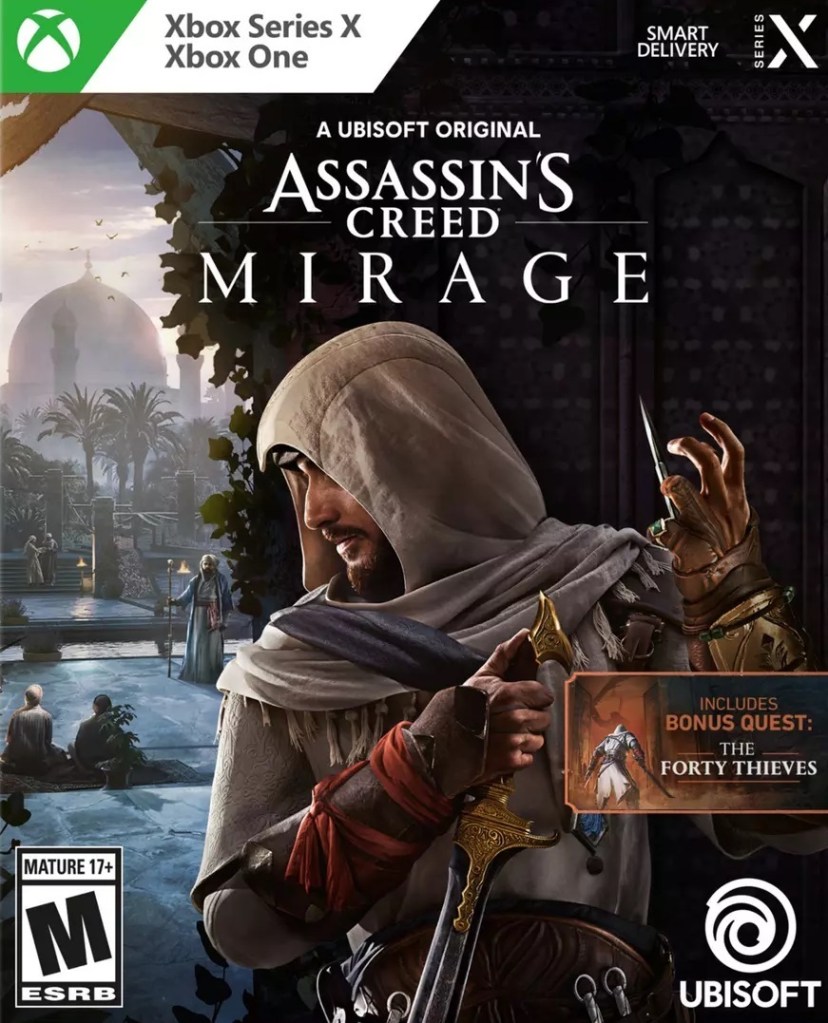
Assassin’s Creed Mirage marks Ubisoft’s return to the roots of the franchise, a welcome change of pace after years of sprawling RPGs. On Xbox Series X|S, the game offers a focused, stealth-driven experience set in ninth-century Baghdad during the Islamic Golden Age. You play as Basim Ibn Ishaq, a street thief whose journey to become one of the Hidden Ones serves as both a prequel to Assassin’s Creed Valhalla and a throwback to the classic days of Ezio and Altair.

From the opening moments, Mirage makes it clear that it’s smaller in scope, tighter in pacing, and more deliberate in execution. Baghdad feels alive — the dense streets buzz with merchants, guards, and townsfolk going about their day, while the rooftops offer a parkour playground reminiscent of the early games. On Xbox Series X, players can toggle between Quality Mode, which delivers crisp 4K visuals at 30 FPS, and Performance Mode, which smooths gameplay to 60 FPS at the cost of a bit of sharpness. The Series S version holds up impressively well too, maintaining stable performance even in crowded districts. Whether you choose fidelity or fluidity, Mirage looks stunning thanks to its vibrant lighting, intricate architecture, and sense of atmosphere.
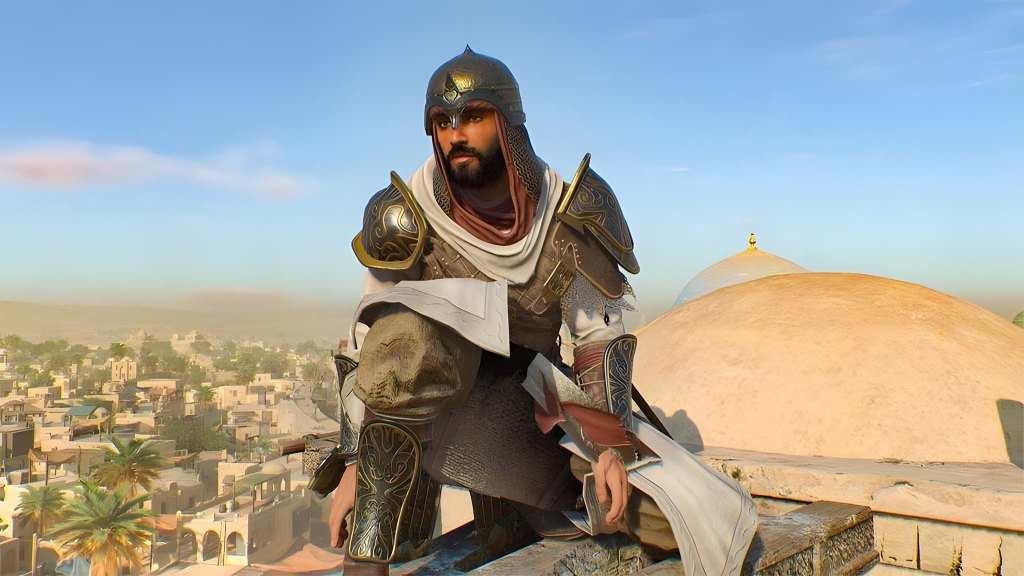
Gameplay is where Mirage shines most. The emphasis on stealth and social infiltration recalls what fans have been missing for years. You can blend into crowds, eavesdrop on targets, pickpocket clues, or silently remove enemies from the shadows. The notoriety system returns, meaning reckless kills or open brawls can make Basim a wanted man — a design choice that reinforces the need for discretion. Missions often unfold like miniature puzzles, letting players decide how to infiltrate guarded compounds or assassinate high-value targets. It’s a refreshing break from the “hit point sponge” enemies and giant maps of recent entries.
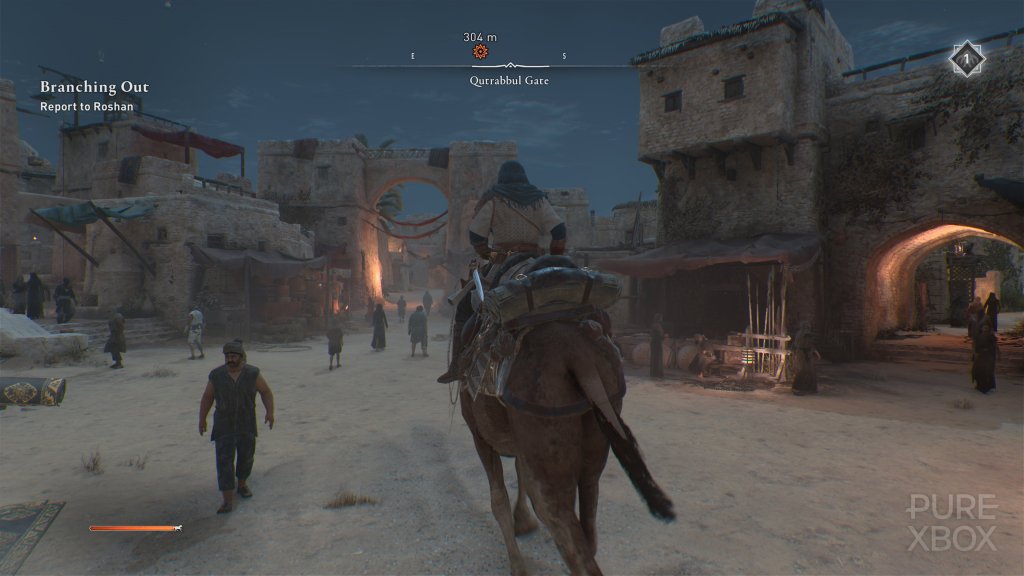
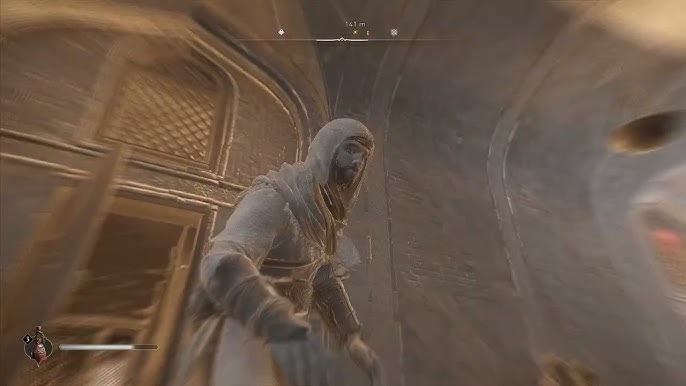
Combat is intentionally pared down but effective when needed. Basim’s movements are quick, his parry window forgiving, and stealth takedowns brutally efficient. That said, the fighting system can feel stiff and shallow at times. Enemies rarely put up much of a challenge once you’ve learned their patterns, and AI inconsistency occasionally breaks immersion. Still, the game rewards patience and precision over brute force — something longtime fans will appreciate. Parkour has also improved, though it’s not flawless. Traversing Baghdad’s rooftops feels fast and fluid most of the time, but Basim occasionally sticks to the wrong surface or misjudges a leap, a minor frustration in an otherwise enjoyable movement system.
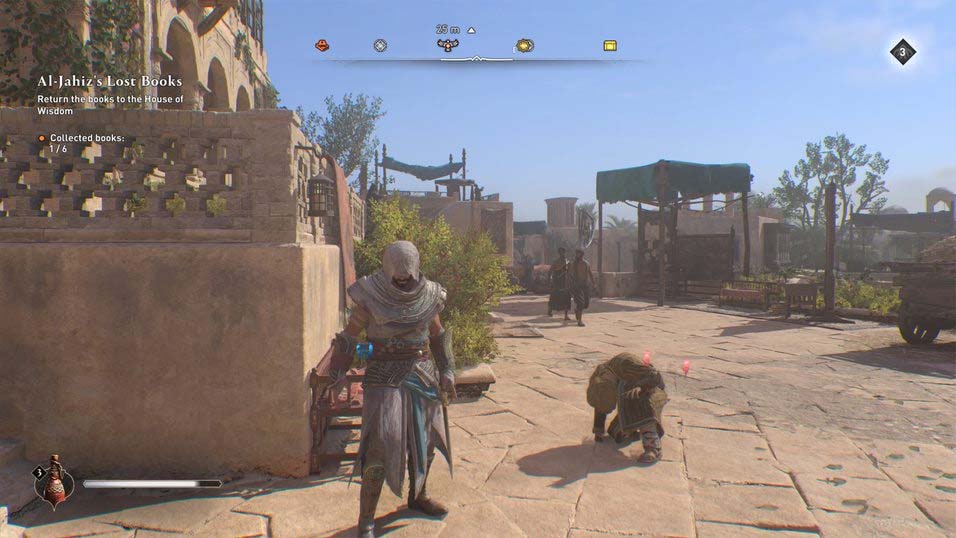
Visually, Assassin’s Creed Mirage is a treat. Baghdad is one of the most immersive settings in the series, filled with rich colors, layered city design, and detailed character animations. The world feels lived-in, and Ubisoft Bordeaux deserves credit for capturing the vibrancy of the era. Sound design complements the visuals beautifully, from the hum of busy markets to the haunting score that plays during assassinations. Performance remains stable on Series X and S, with minimal stuttering or pop-in issues. Only a few minor bugs — such as odd NPC behavior or animation clipping — occasionally remind you it’s a Ubisoft game.

The story itself is leaner than fans might expect, but that’s not necessarily a bad thing. Basim’s character arc is intriguing, exploring his transformation from thief to assassin and the moral conflicts that come with his new life. The supporting cast adds flavor but doesn’t always leave a lasting impression. While newcomers can enjoy the story on its own, players familiar with Valhalla will appreciate the deeper lore connections. At roughly 15 to 20 hours, the main story doesn’t overstay its welcome, and the lack of bloated side content makes every mission feel purposeful.
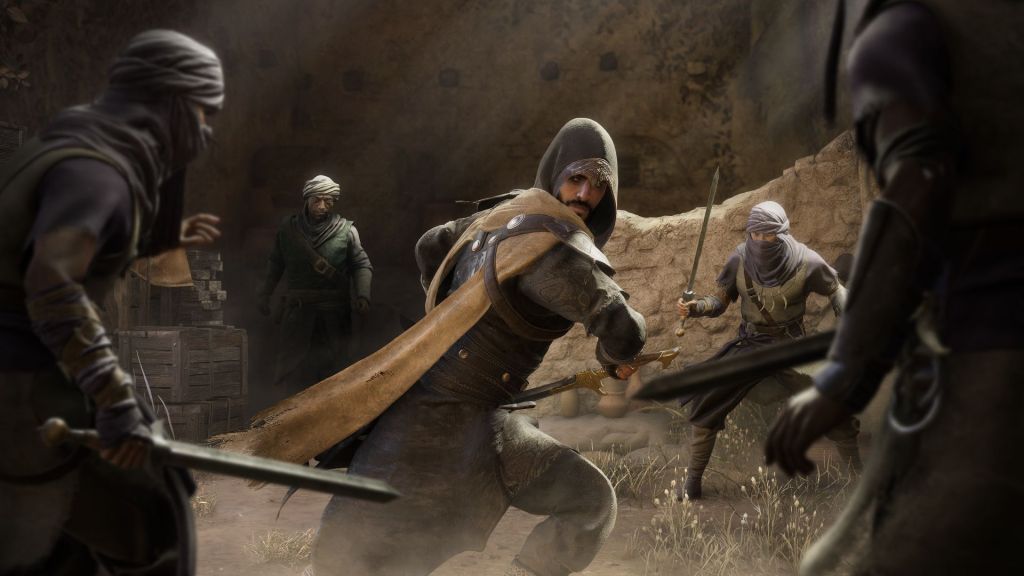
Where Mirage stumbles slightly is in its repetition. Some missions follow familiar patterns — infiltrate, assassinate, escape — without enough variation to keep the formula fresh. The AI can also break the illusion of stealth when guards fail to react realistically. These flaws don’t ruin the experience, but they do prevent Mirage from reaching the heights of its earliest inspirations.
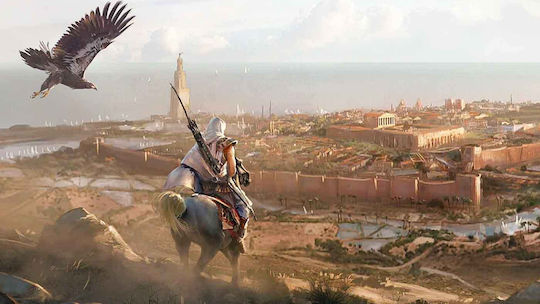
In the end, Assassin’s Creed Mirage succeeds in what it sets out to do: it delivers a smaller, more focused Assassin’s Creed experience that puts stealth, atmosphere, and storytelling back at the center. It’s not as ambitious as Odyssey or Valhalla, but it doesn’t need to be. Mirage is a reminder of how satisfying it can be to plan an assassination, blend into a crowd, and vanish into the rooftops.
On Xbox Series X|S, it runs beautifully, looks fantastic, and feels like a true spiritual successor to the franchise’s origins. Some technical hiccups and shallow combat keep it from greatness, but the overall experience is both nostalgic and refreshing. For longtime fans who’ve been yearning for the series to return to its roots, Assassin’s Creed Mirage is exactly what they’ve been waiting for.
Final Score: 8 / 10
A stylish, compact return to form that reminds us why the Creed mattered in the first place.
 Jimmy's Deals