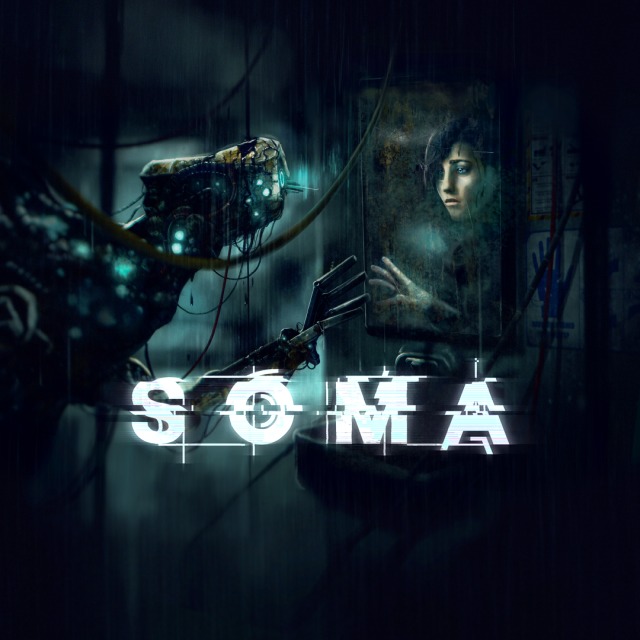
Frictional Games, best known for Amnesia: The Dark Descent, brought their haunting masterpiece SOMA to Xbox One in a port that maintains the unsettling brilliance of the original. Released late in the Xbox One’s life cycle, SOMA remains one of the most thought-provoking and emotionally resonant horror titles available on the platform.
Story & Themes:
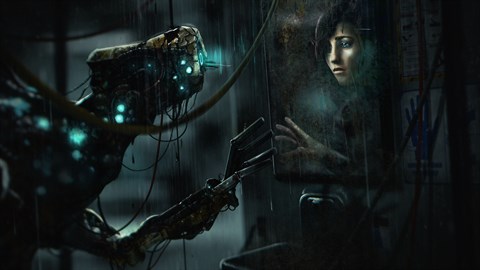
At its core, SOMA isn’t just survival horror—it’s philosophical science fiction dressed in dread. Set in an underwater research facility named PATHOS-II, players assume the role of Simon Jarrett, a man who wakes up in the distant future after undergoing an experimental brain scan. What unfolds is a chilling exploration of consciousness, identity, and what it truly means to be human.
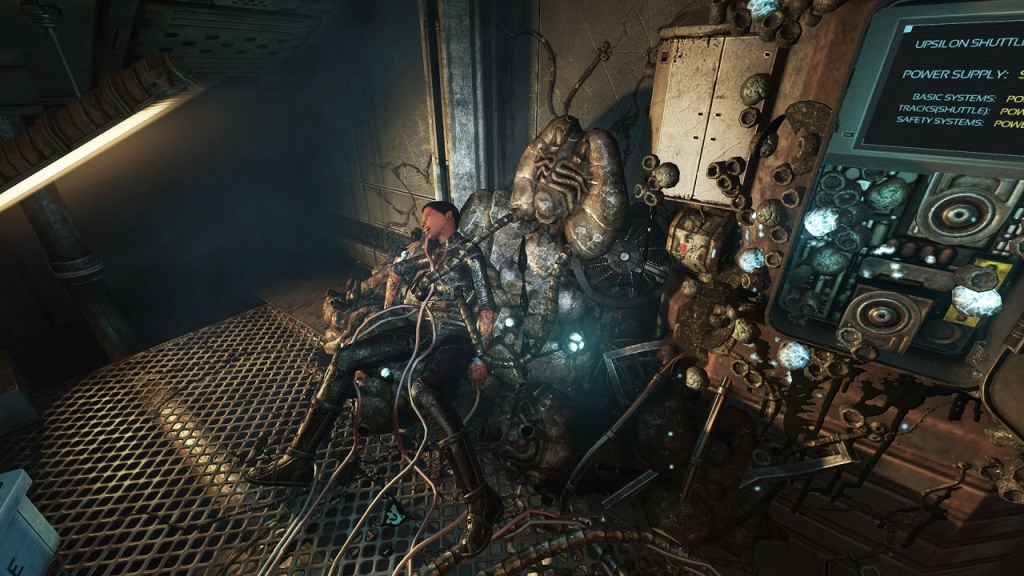
The writing is some of the most mature and intellectual the genre has ever seen. It asks deeply disturbing existential questions, with moments that stick with you long after you put the controller down. This isn’t about jump scares—it’s about existential dread.
Gameplay:
SOMA plays like a hybrid of Amnesia and BioShock—first-person exploration, puzzle solving, and stealth-based encounters with terrifying, mutated creatures. There’s no combat; avoidance is your only option. The Xbox One version includes “Safe Mode” as an option from the start, allowing players to experience the story without the threat of death. This makes the game more accessible and emphasizes its narrative strength.
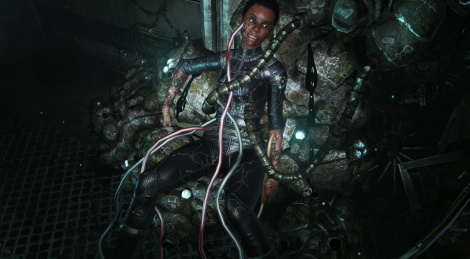
That said, the stealth and monster segments can sometimes feel like interruptions rather than enhancements. They’re tense, yes, but occasionally frustrating or repetitive. The puzzles are serviceable—not too difficult, not too easy—but it’s the exploration and environmental storytelling that truly shine.
Sound & Atmosphere:
Few games nail atmosphere like SOMA. The ambient audio, creaking metal, humming machinery, and ghostly echoes create an oppressive sense of isolation. Mikko Tarmia’s soundtrack is sparse but effective, swelling in emotional moments and disappearing into eerie silence when needed.
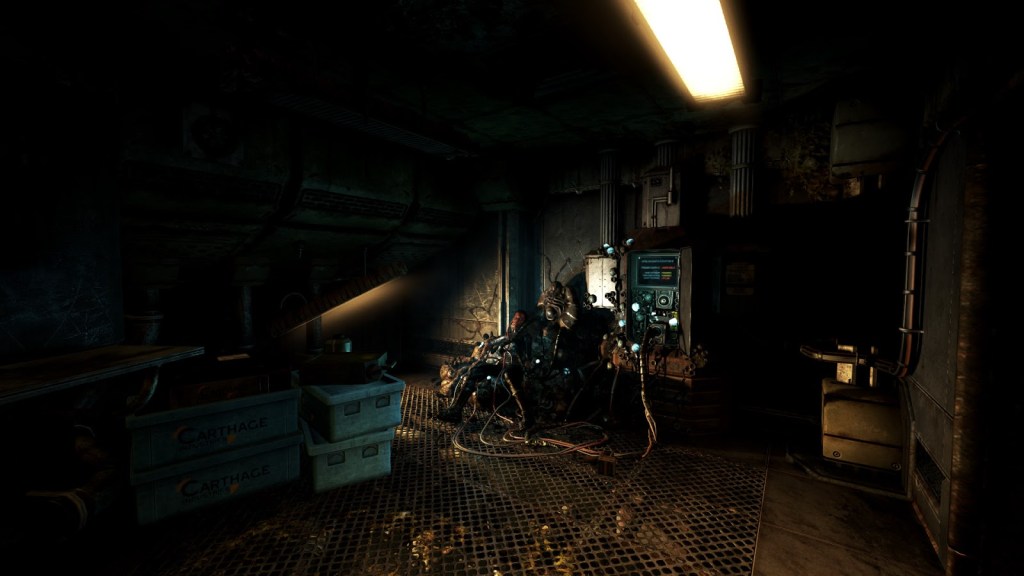
Voice acting is superb. Simon’s evolving emotional responses ground the player, and supporting characters (especially Catherine Chun) feel real and haunting in their own right.
Visuals:
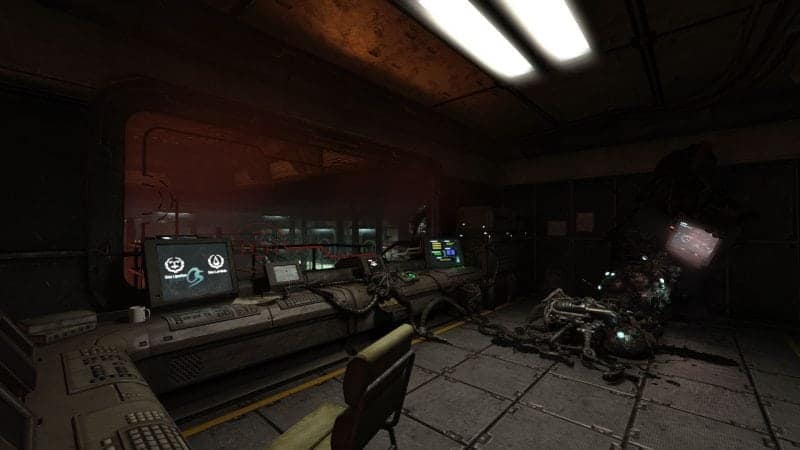
Despite being developed for PC and PlayStation 4 first, SOMA looks impressive on Xbox One. The underwater environments are dense and moody, while the facility interiors are a decaying mix of rust, bio-horror, and sci-fi tech. Textures show their age a bit, and lighting occasionally suffers from flickering or pop-in, but overall it holds up well.
Performance is solid on Xbox One with only occasional frame rate drops. Load times are manageable, and the UI is intuitive and unobtrusive.
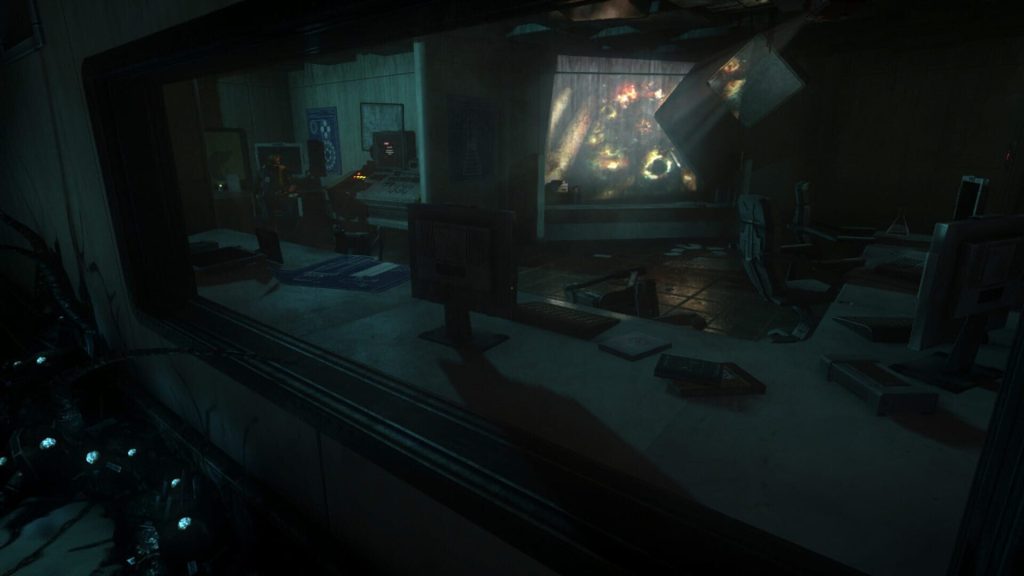
What Makes SOMA Special:
What elevates SOMA above other horror games is its soul. It’s not about killing monsters—it’s about confronting what we are. The ending is haunting in the best way, making players reflect on their own humanity, mortality, and the future of AI. In a market flooded with horror games that rely on cheap scares, SOMA dares to be meaningful.
✅ Pros:
- Deep, emotionally resonant story
- Exceptional voice acting and sound design
- Incredible atmosphere
- Safe Mode enhances accessibility
- Thought-provoking sci-fi horror
❌ Cons:
- Monster encounters can feel more annoying than scary
- Some visual aging on Xbox One
- Pacing occasionally disrupted by stealth segments
Final Verdict:
SOMA on Xbox One is a must-play for fans of intelligent horror. It may not be for everyone—especially those looking for action-heavy gameplay—but for players seeking atmosphere, narrative, and philosophical weight, it’s one of the most unforgettable games of its kind. Turn off the lights, put on your headphones, and prepare to question everything.
Rating: 8/10– “Haunting, harrowing, and human.”
 Jimmy's Deals