
When Left 4 Dead 2 released in 2009, many fans initially questioned why Valve would roll out a sequel just a year after the original. But once you step into its chaotic world of zombie mayhem, it becomes clear that this isn’t just more of the same — it’s bigger, faster, bloodier, and arguably one of the finest cooperative shooters ever made.
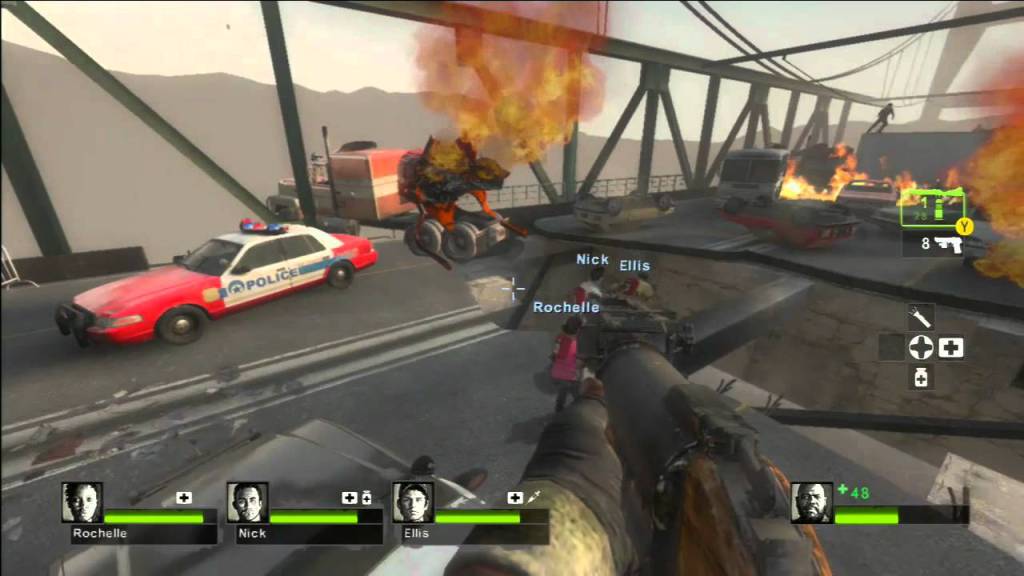
A New Cast, Same Chaos
Left 4 Dead 2 introduces four new survivors — Coach, Ellis, Nick, and Rochelle — each bringing their own charm and personality to the apocalypse. The chemistry between them is excellent, thanks to snappy dialogue and dynamic banter that helps you stay grounded amid all the carnage. While some players still miss the original crew, the sequel’s new cast quickly grows on you.

The story takes you through a southern road trip of death and destruction — from the swamps of Louisiana to a zombie-infested carnival, and finally a desperate finale in New Orleans. Each campaign feels distinct, with strong environmental storytelling and clever set pieces. Valve uses location not just as a backdrop but as a gameplay tool, forcing you to adapt to every new setting.

Gameplay – Cooperative Mayhem Refined
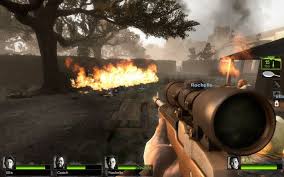
The formula remains the same: four survivors fight their way through hordes of infected to reach safety. But Left 4 Dead 2 refines everything that made the first game work. Melee weapons like katanas, axes, and frying pans add satisfying close-range combat, while incendiary and explosive ammo bring an extra layer of strategy.
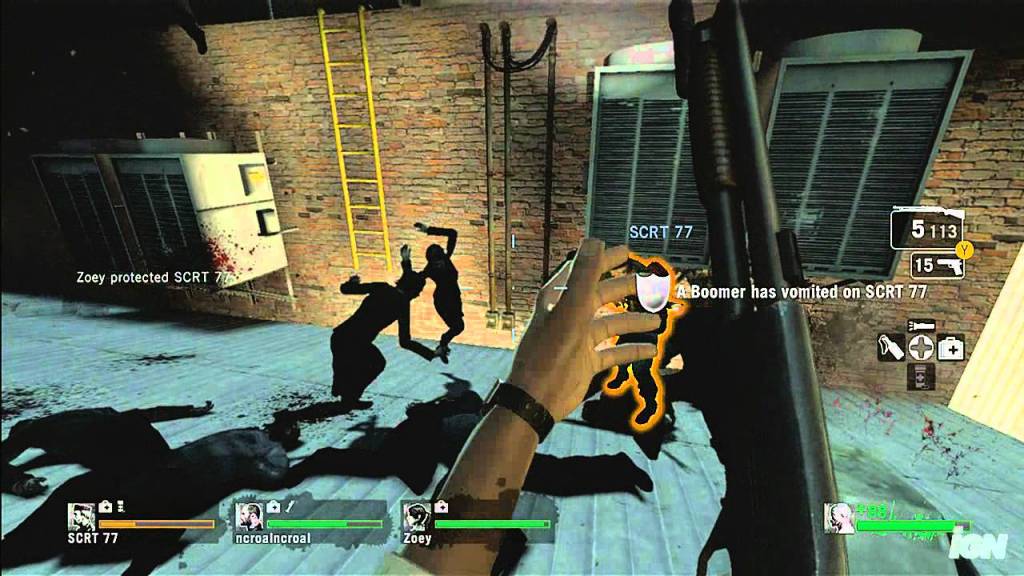
New infected types like the Spitter, Charger, and Jockey shake up the formula, forcing teamwork and communication more than ever. Each special infected has a unique ability to split the group apart or corner players, and that constant pressure keeps the tension high throughout every level.
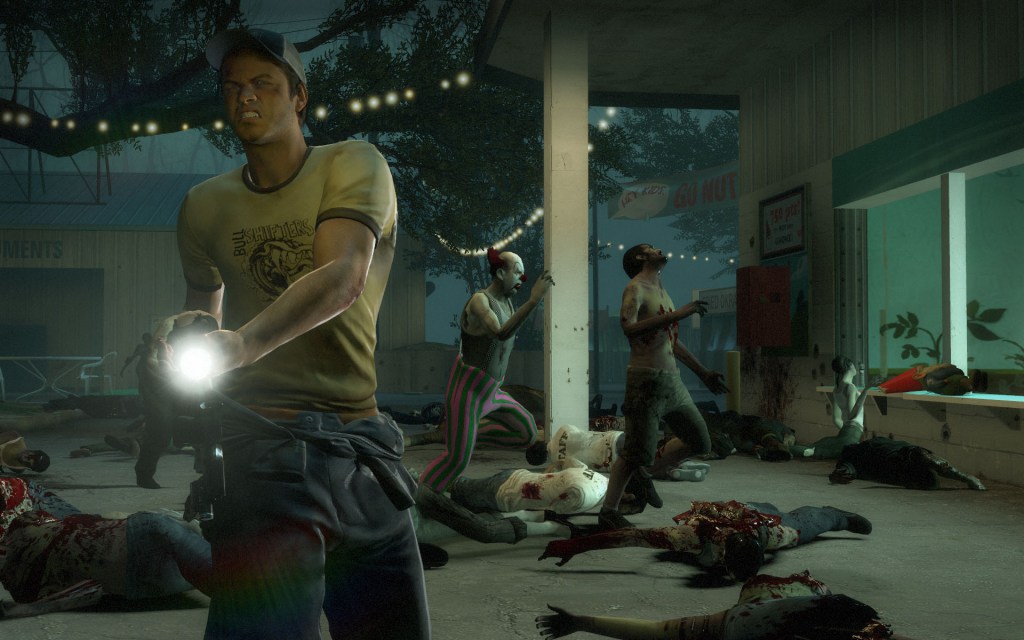
The AI Director 2.0 — the system that dynamically alters enemy placement, weapon spawns, and difficulty — is more unpredictable than ever. It ensures no two playthroughs ever feel the same, adapting not just to how well you’re playing, but even to your style of play.
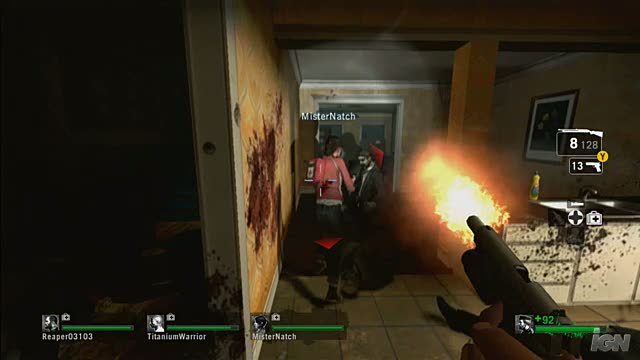
Versus and Survival Modes
Multiplayer is where Left 4 Dead 2 truly shines. The Versus mode lets you play as the special infected, turning the tables and adding a wicked sense of satisfaction as you hunt the survivors. Scavenge mode introduces time-based chaos, while Survival mode tests how long you can hold out against endless waves of infected.

Playing with friends remains the ideal way to experience this game. Communication, trust, and a little bit of yelling are all part of the fun. Random matchmaking works fine, but nothing beats coordinating a last-ditch run with three friends over voice chat as the Tank music kicks in.

Visuals and Sound
For a 2009 Xbox 360 release, Left 4 Dead 2 still holds up surprisingly well. The lighting, weather effects, and level design make each environment feel alive — or undead, rather. The blood effects and melee animations were a massive step up from the first game, and the frame rate remains smooth even in the thick of chaos.
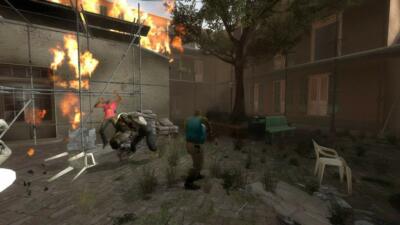
The sound design is stellar — from the eerie cries of a lurking Witch to the distant growl of a Tank, every audio cue serves a purpose. The soundtrack ramps up at just the right moments, syncing perfectly with the action and keeping your adrenaline high.
Verdict
Left 4 Dead 2 isn’t just a sequel; it’s the definitive version of Valve’s cooperative zombie shooter formula. It builds upon every strength of the original while adding enough new features, campaigns, and polish to justify its existence. More than a decade later, it remains one of the most replayable, chaotic, and fun co-op games ever made.
Pros:
- Intense, unpredictable cooperative gameplay
- Excellent new melee weapons and infected types
- Varied campaigns with strong atmosphere
- Deep replay value and endless chaos with friends
- Outstanding sound and AI design
Cons:
- Less impactful solo experience
- Some matchmaking quirks
- Story can feel secondary to the action
Final Score: ★★★★½ (9/10)
Left 4 Dead 2 is a co-op masterpiece — the gold standard for team-based survival shooters that few games have ever matched.
 Jimmy's Deals