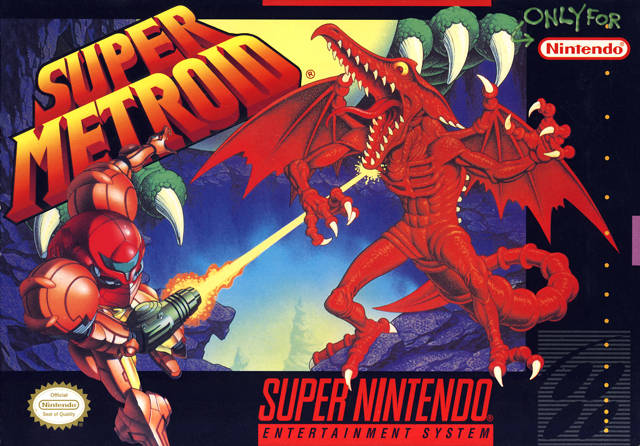
Super Metroid is widely regarded as one of the greatest games ever made, and for good reason. Released in 1994 for the Super Nintendo Entertainment System (SNES), Super Metroid takes players on a gripping adventure through a vast, alien world, blending exploration, action, and puzzle-solving into a cohesive and unforgettable experience.
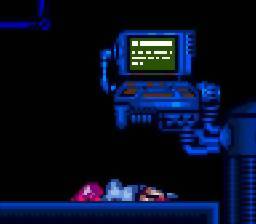
Storyline and Atmosphere
The plot of Super Metroid picks up after the events of Metroid II: Return of Samus. You control Samus Aran, a space bounty hunter, as she embarks on a mission to rescue a baby Metroid, which has been kidnapped by the evil Space Pirate, Ridley. As you navigate through the eerie, labyrinthine world of Zebes, the stakes are high, and the atmosphere is consistently tense and immersive.
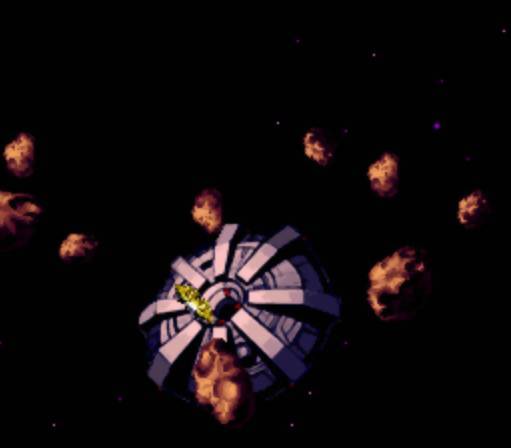
What truly stands out in Super Metroid is how it draws you into its world with minimal exposition. The narrative unfolds through subtle environmental storytelling, and the loneliness of Samus in the hostile alien world is palpable. The desolate silence of the game’s world, punctuated by sporadic, haunting sound cues, gives a sense of isolation that few games manage to capture so effectively.
Gameplay: Exploration and Combat
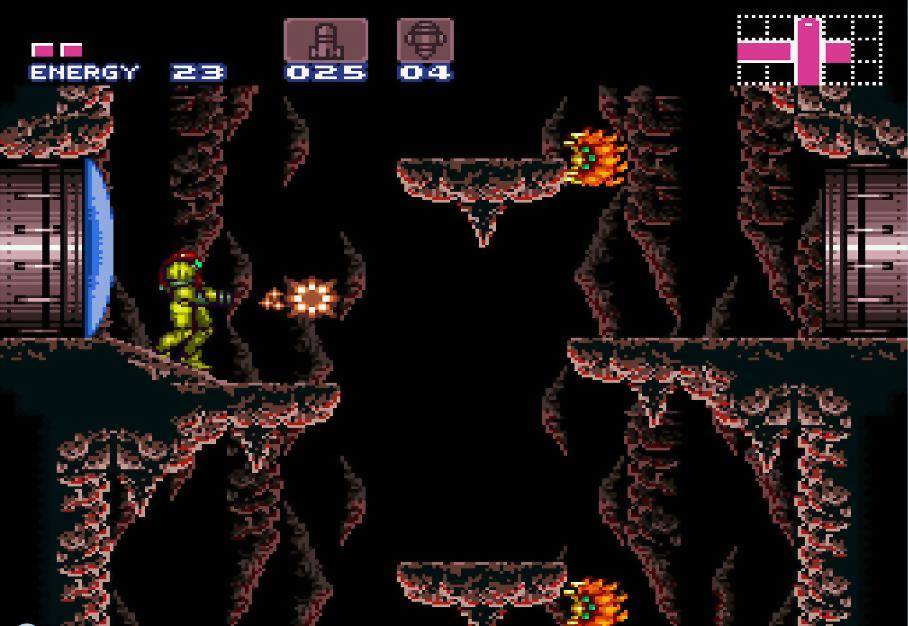
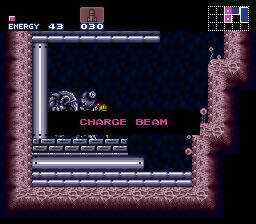
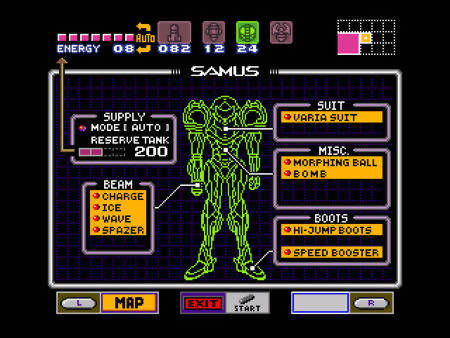
The core of Super Metroid lies in its non-linear exploration. The game gives you the freedom to explore the planet Zebes in any order, allowing you to uncover hidden power-ups and abilities as you venture deeper. It’s the kind of game that encourages curiosity, with areas unlocking as you acquire new tools like missiles, bombs, and the iconic Screw Attack. Every new upgrade feels like a reward, empowering Samus to overcome previously impassable obstacles, opening up new paths and secrets.
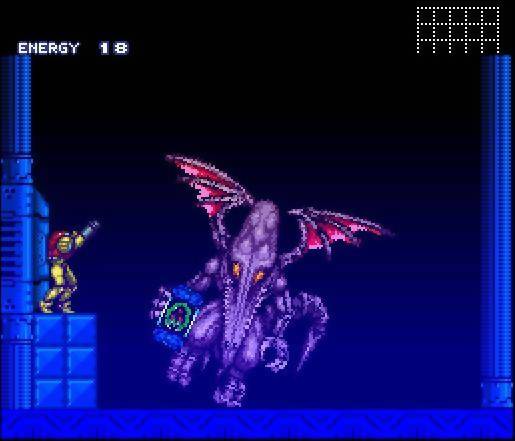
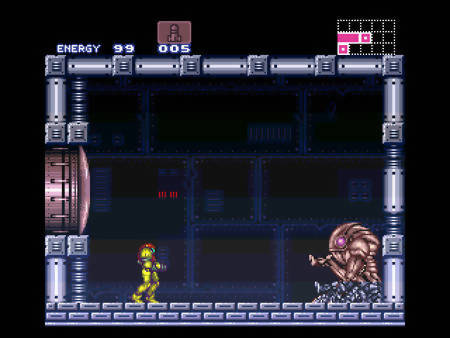
The combat is tight and satisfying. Samus can perform a variety of moves, from firing her arm cannon in multiple directions to morphing into a ball to access hidden tunnels. The game also introduces a great sense of progression through its boss battles, each requiring unique strategies and tests of your skills. Ridley and Mother Brain are not just boss fights—they’re climactic moments that require you to test everything you’ve learned up to that point.
Visuals and Sound
For a game released in 1994, Super Metroid is a visual masterpiece. The richly detailed environments are varied and immersive, ranging from the dark, maze-like corridors of the Norfair to the organic, alien feel of the Maridia. The fluid animations of Samus as she runs, jumps, and morphs into a ball add an extra layer of polish that was unmatched at the time.
The soundtrack is equally impressive. Kenji Yamamoto’s score for Super Metroid is one of the best in gaming history, with its haunting melodies complementing the game’s atmosphere perfectly. Tracks like the eerie main theme and the intense, pulse-pounding music that plays during boss fights heighten the game’s emotional impact and immerse you further into its world.
Difficulty and Replayability
Super Metroid is challenging, but it’s not unfair. The game strikes a perfect balance, rewarding players who take the time to explore and learn the world’s mechanics. The difficulty curve is steep, but each challenge feels like a meaningful test of your ability rather than frustration.
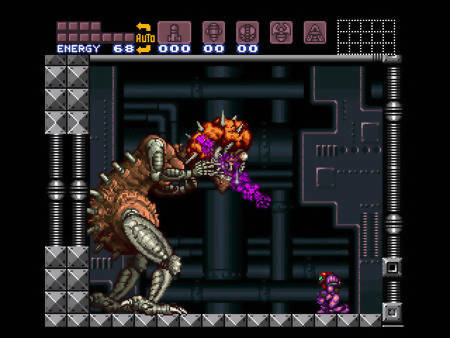
The non-linear design and abundance of secret areas give Super Metroid immense replay value. Whether you’re hunting for energy tanks, trying to speedrun the game, or simply exploring every nook and cranny, there’s always something to discover. The game also rewards you with an alternate ending if you complete it in under a certain amount of time, encouraging players to revisit it and push their skills to the limit.
Conclusion
Super Metroid is the pinnacle of the “Metroidvania” genre and stands as one of the best games of all time. Its seamless blend of exploration, combat, and atmosphere, combined with the challenge and depth of its world, makes it a must-play for any gamer, even decades after its release. Whether you’re experiencing it for the first time or revisiting an old classic, Super Metroid continues to deliver a masterclass in game design.
Rating: 10/10
If you own a Super Nintendo or any modern console capable of running it, do yourself a favor and play this game. It’s as relevant today as it was in 1994—and will remain a shining example of what video games can achieve for years to come.
 Jimmy's Deals