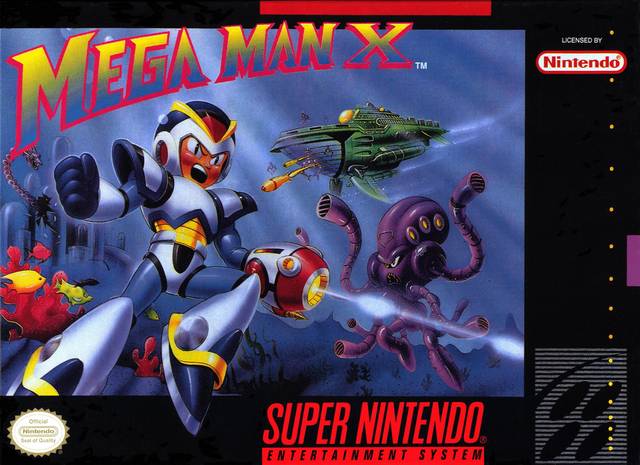
Released in 1993 for the Super Nintendo Entertainment System, Mega Man X marked a bold evolution of Capcom’s iconic franchise. While retaining the fast-paced platforming and boss battles fans loved from the original Mega Man series, it introduced a darker, more mature tone, deeper gameplay mechanics, and a story that gave the player a stronger sense of purpose.

Graphics and Audio
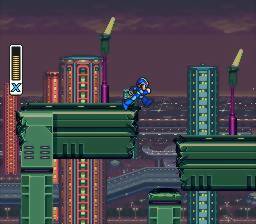
The graphics were a massive leap from the NES originals. Mega Man X features detailed, colorful sprites, dynamic backgrounds, and smooth animation that brings both X and his robotic adversaries to life. The soundtrack is a standout—pumping, memorable, and perfectly matched to the action, from the tense corridors of Chill Penguin’s icy lair to the electrifying rush of Storm Eagle’s air battle.

Gameplay
The heart of Mega Man X is its tight, responsive platforming. X can run, jump, dash, and climb walls—abilities that weren’t in the original NES games—which adds layers of strategy and exploration. Each of the eight Maverick bosses presents unique challenges, and defeating them grants X their special weapon, opening new paths and strategies in later stages.
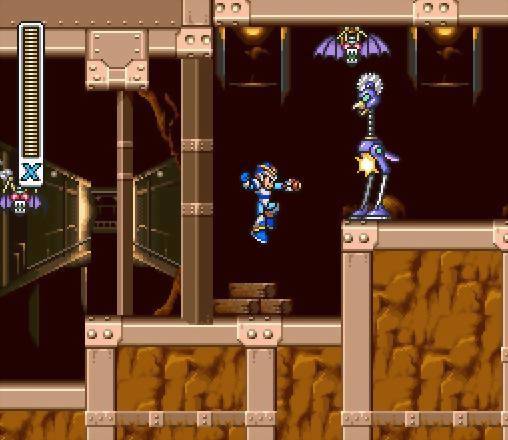
The level design rewards exploration. Hidden capsules give upgrades like the armor parts that enhance health, mobility, and weapon power. These discoveries encourage replayability and experimentation.
Difficulty and Challenge
True to its roots, Mega Man X offers a challenge, but it feels fair. Boss patterns are learnable, and skillful use of dashes, wall jumps, and weapon weaknesses can turn the tide in your favor. Unlike some NES titles, checkpoints are generous, reducing frustration while maintaining tension.
Legacy
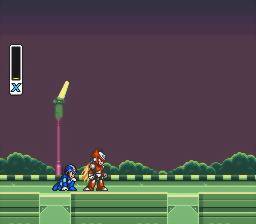
Mega Man X set the standard for the series’ future entries. It successfully modernized the franchise while keeping its core identity intact. It’s a must-play for fans of action-platformers and a shining example of what the SNES could do.
Score: 10/10
- Graphics: 9/10
- Sound: 10/10
- Gameplay: 10/10
- Replayability: 9/10
Verdict: Mega Man X isn’t just a classic—it’s a masterclass in platforming design and the beginning of a new era for Mega Man. Whether you’re revisiting it or discovering it for the first time, it still holds up today.
 Jimmy's Deals