
When Metal Gear Solid launched on the PlayStation in 1998, it didn’t just redefine what stealth gameplay could be — it redefined video games as a storytelling medium. Hideo Kojima’s vision blended cinematic presentation, tactical espionage action, and thought-provoking themes into an experience that felt years ahead of its time. Over two decades later, its influence is still undeniable.
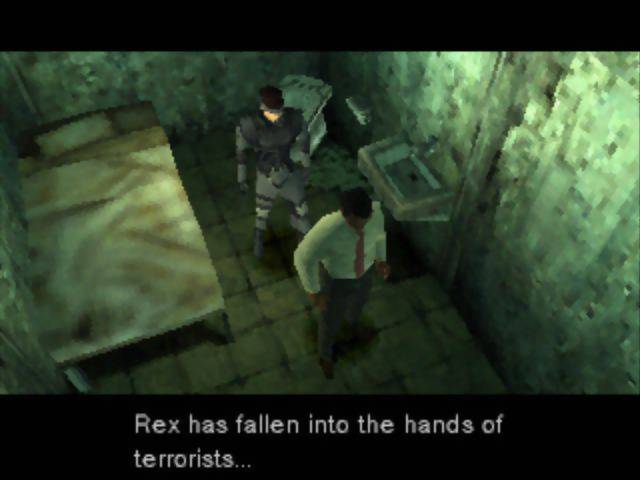
Story and Presentation
You step into the shoes of Solid Snake, a retired operative brought back into service to infiltrate Shadow Moses Island, a nuclear weapons disposal facility taken over by the rogue FOXHOUND unit. What unfolds is a masterclass in narrative, mixing political intrigue, personal conflict, and philosophical questions about war, technology, and identity.
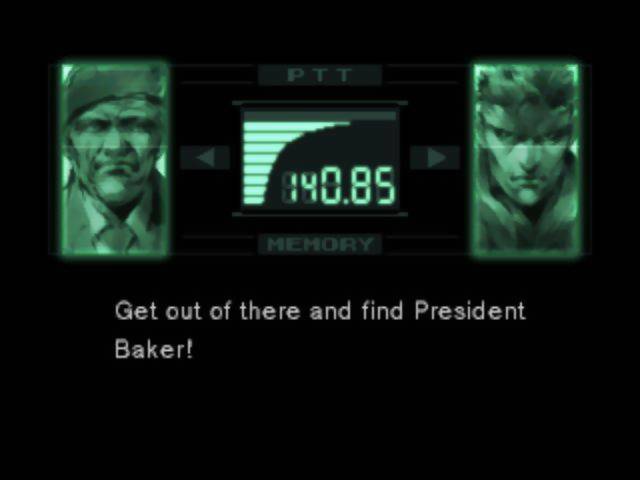
What set Metal Gear Solid apart was its commitment to cinematic storytelling. Full voice acting — rare for the era — gave the characters weight and presence. From Snake’s gravelly calm to Liquid Snake’s unhinged menace, the performances immersed players in a Hollywood-style thriller. Codec conversations served not only as exposition but as character development, making you care about allies like Meryl and Otacon while adding tension to every mission.
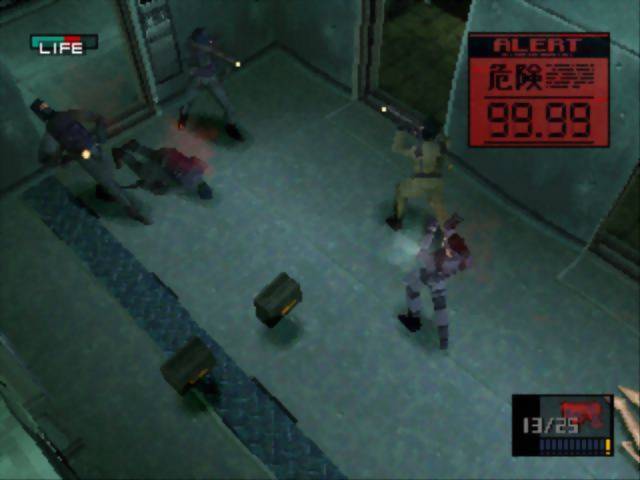
Gameplay
Unlike most action titles of its time, Metal Gear Solid encouraged brains over bullets. Sneaking past guards, using radar to monitor patrol routes, and relying on gadgets like cardboard boxes and thermal goggles made you feel like a real covert operative. Direct combat was risky, and that’s what made stealth so rewarding.
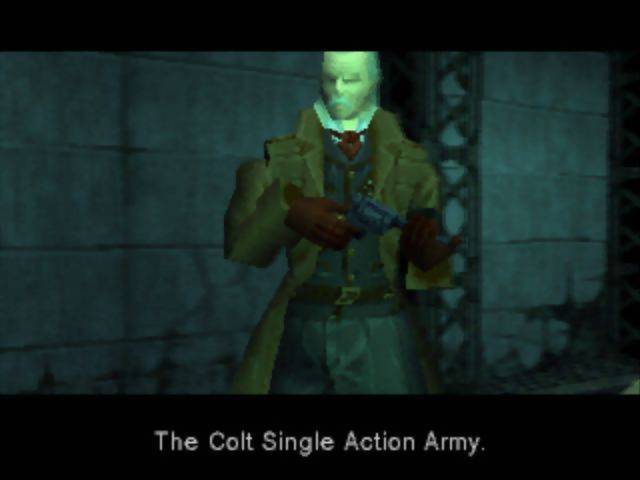
Boss fights remain some of the most inventive in gaming history. Psycho Mantis reading your memory card, Sniper Wolf’s tense sniper duels, and Vulcan Raven’s cat-and-mouse battles all offered unique challenges that broke from traditional gaming molds. Kojima’s penchant for breaking the fourth wall created moments players still talk about today.
Graphics and Sound
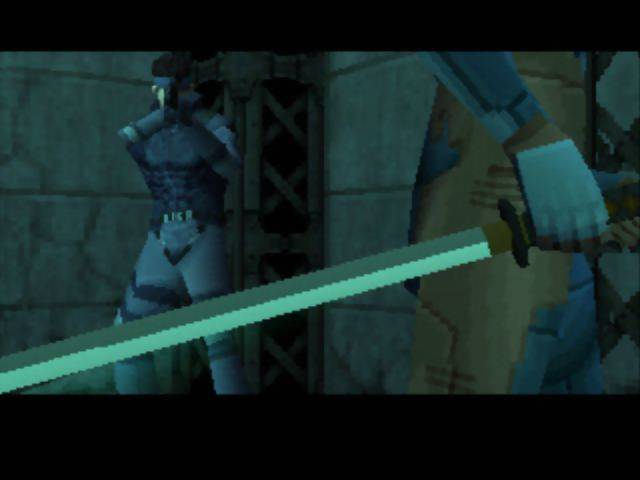
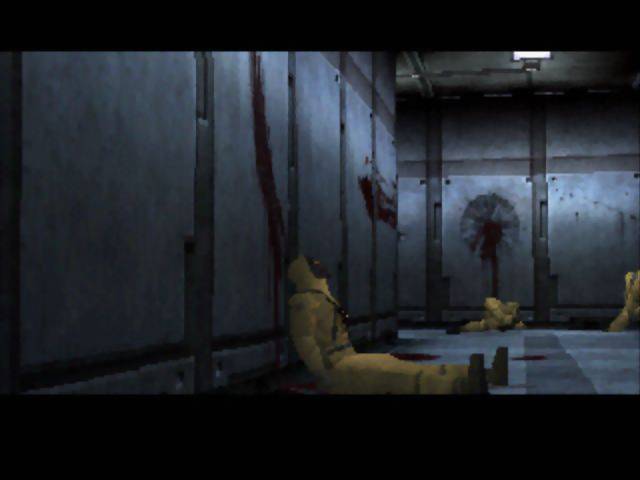
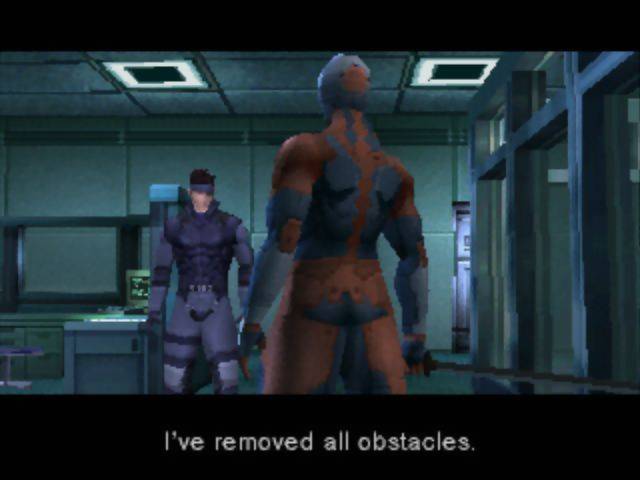
For a PlayStation title, Metal Gear Solid looked stunning. The character models and environments pushed the console to its limits, creating an atmospheric setting that felt alive despite hardware constraints. The use of cinematic camera angles made cutscenes feel like actual films.

The soundtrack is equally iconic, with tense orchestral themes heightening the suspense during infiltration and emotional cues underscoring the story’s heavy beats. The sound design, from echoing footsteps to guard chatter, reinforced the sense of immersion.
Legacy
Metal Gear Solid wasn’t just a great game; it was a turning point for the industry. It showed that games could deliver layered narratives with cinematic flair, laying the foundation for countless story-driven titles that followed. Its themes of nuclear deterrence, genetic engineering, and the cost of war remain eerily relevant today.
Final Verdict
Even with its blocky graphics and some dated mechanics, Metal Gear Solid is more than nostalgia — it’s a landmark in gaming history. Whether you’re revisiting Shadow Moses or sneaking in for the first time, it’s an essential experience for anyone who loves video games.
Score: 10 / 10
A groundbreaking stealth-action masterpiece that pushed the boundaries of storytelling, gameplay, and presentation.
 Jimmy's Deals