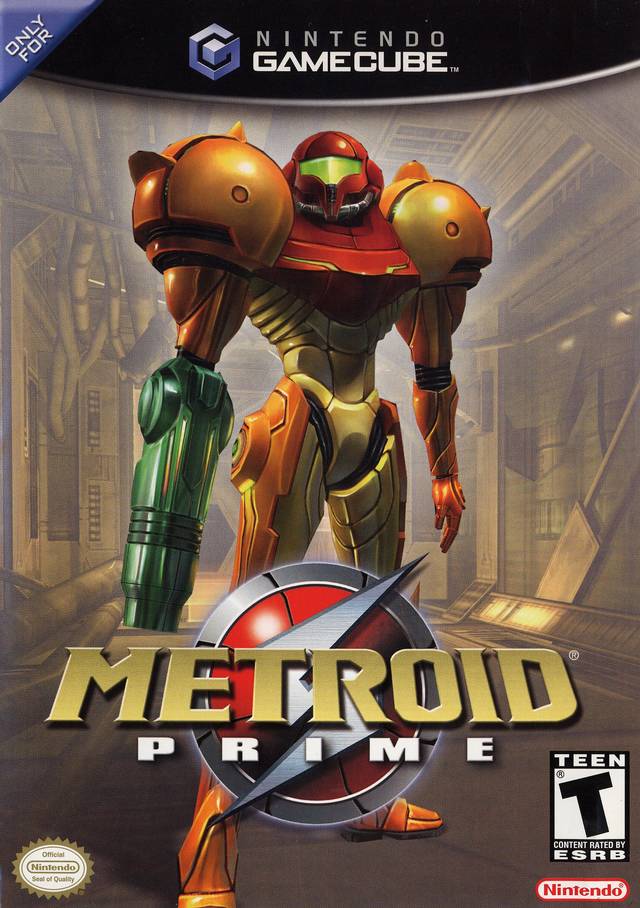
When Metroid Prime was first announced, fans were skeptical. Turning one of Nintendo’s most atmospheric 2D franchises into a 3D first-person adventure seemed risky, especially after Super Metroid set such a high bar. But when the dust settled, Metroid Prime not only lived up to the series’ legacy — it redefined it. What Retro Studios and Nintendo accomplished here wasn’t just a genre shift; it was a masterclass in immersion, exploration, and world-building that still holds up more than two decades later.

A First-Person Adventure, Not a Shooter
Calling Metroid Prime an FPS doesn’t do it justice. Yes, it’s played from Samus Aran’s visor view, and yes, there’s shooting involved, but this is not Halo or Quake. This is an adventure game through and through — focused on discovery, environmental puzzles, and progression through the use of new abilities. Retro Studios coined the term “first-person adventure” for a reason. The pacing, exploration, and sense of isolation feel straight out of the classic 2D entries, only now experienced from Samus’s perspective.
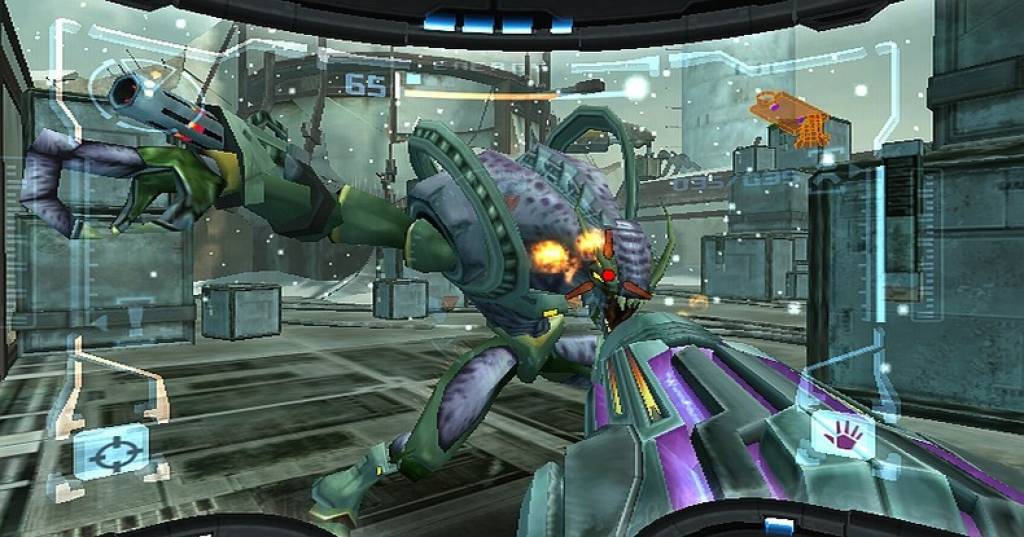
Every scan, door, and hidden platform reinforces the feeling that you’re not just running and gunning — you’re investigating an alien world.
Immersion Through Design
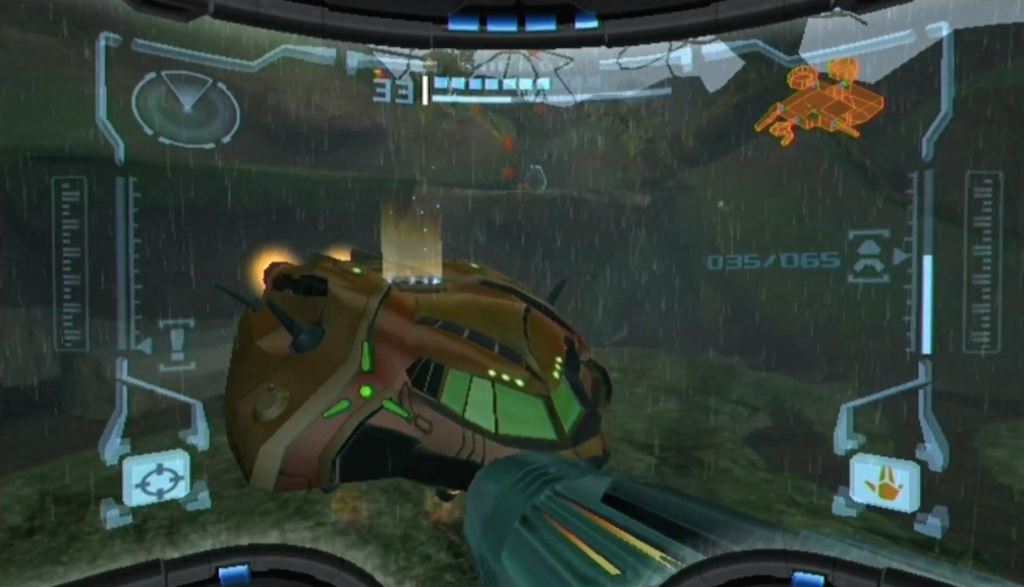
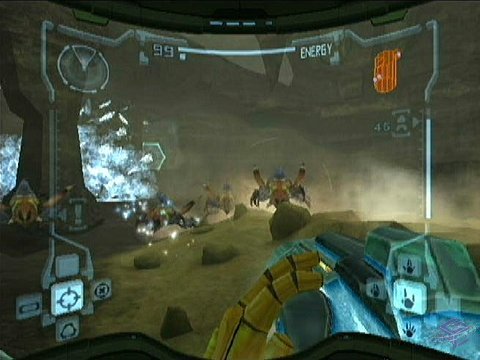
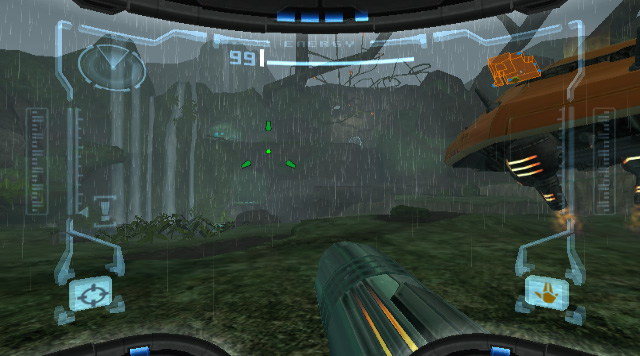
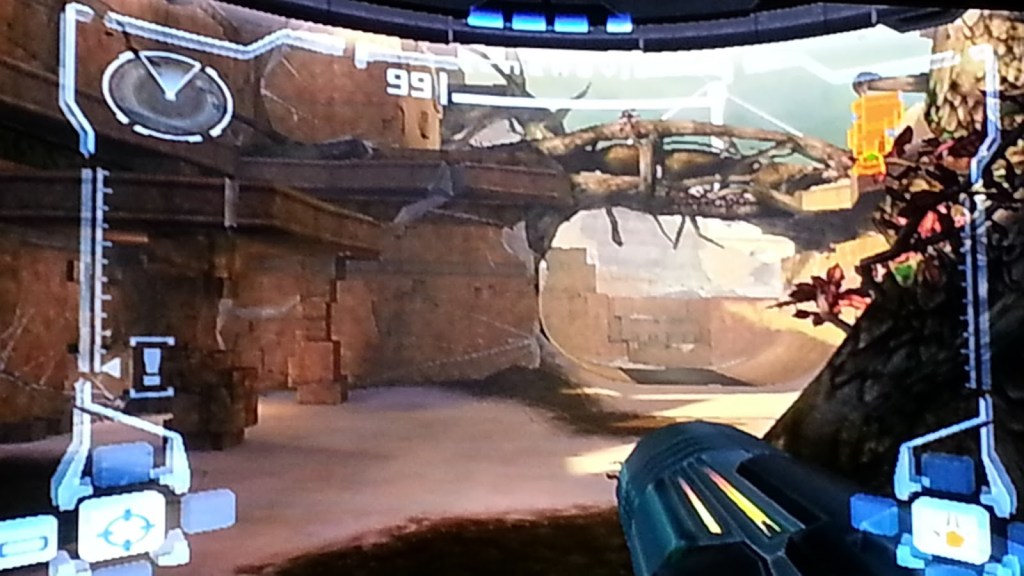
From the moment you step onto Tallon IV, you’re completely absorbed in its ecosystem. The rain slides down Samus’s visor, steam fogs it up after bursts of heat, and reflections flicker when explosions light the area. These small details add up to create one of the most immersive worlds of its generation.
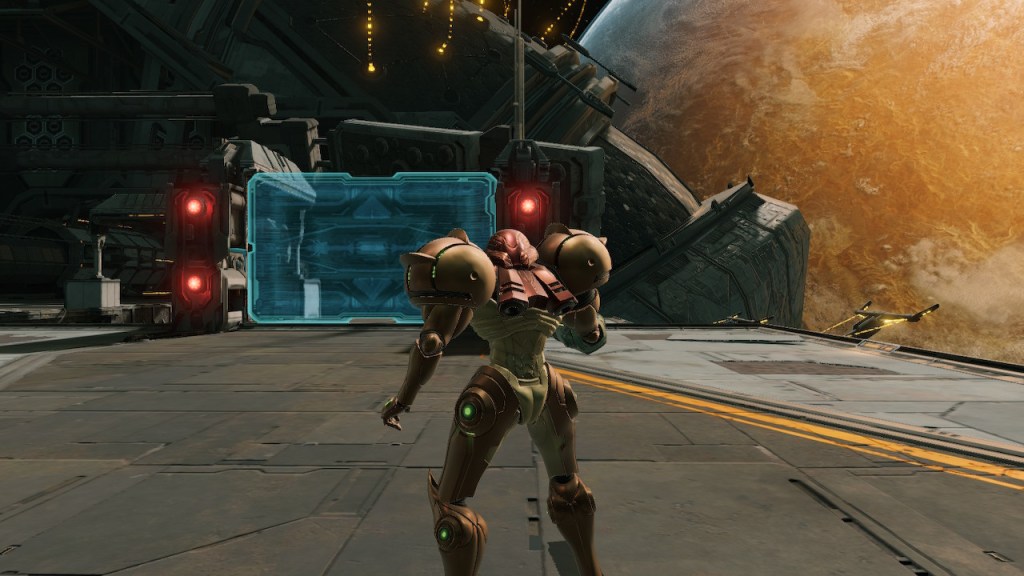
Each region — from the lush rainforests of the Tallon Overworld to the molten tunnels of Magmoor Caverns and the haunting laboratories of Phendrana Drifts — feels alive, interconnected, and distinct. The lack of traditional cutscenes or intrusive dialogue gives you space to breathe and explore at your own pace. The planet tells its story through ancient Chozo ruins, pirate logs, and environmental clues. It’s quiet storytelling at its finest.
Gameplay and Progression
Metroid Prime nails what makes Metroid great: exploration and power progression. You start off limited, gradually gaining access to new areas as you collect classic upgrades like the Morph Ball, Grapple Beam, and various beam types. Every item feels like a genuine reward that opens up new possibilities, not just another tool.
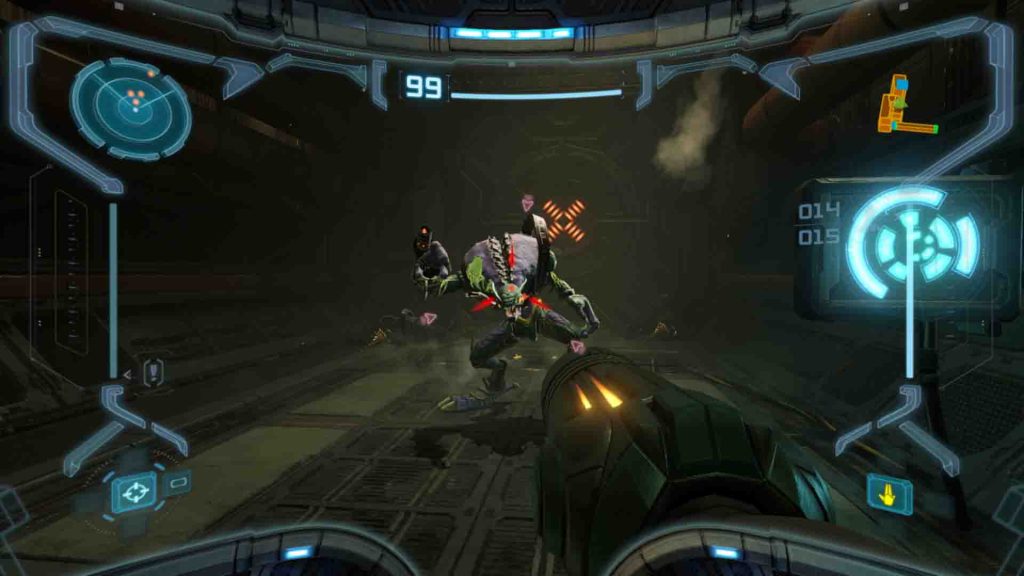
The combat, while more deliberate than twitchy, feels satisfying. The lock-on system (a brilliant design choice for GameCube’s single stick layout) keeps battles smooth and accessible without losing tension. Enemies are more puzzle-like than bullet sponges — many require you to identify weaknesses using the Scan Visor or switch beams strategically.
Atmosphere and Sound Design
Kenji Yamamoto’s soundtrack deserves legendary status. It’s not just background music — it’s part of the planet itself. The ambient tracks hum with mystery, the Phendrana theme chills with its icy tranquility, and boss themes pulse with alien energy. Combined with the eerie environmental sounds — the whir of alien machinery, the echo of distant creatures — the audio builds an atmosphere that’s unmatched even today.
This is one of those games where silence and sound coexist perfectly. You feel alone, but never bored.
Visuals and Performance
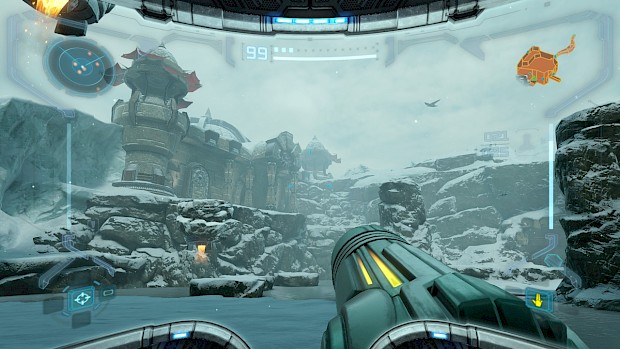
Even by modern standards, Metroid Prime looks incredible. Retro Studios pushed the GameCube to its limits with detailed environments, smooth animations, and seamless area transitions. The visor effects — water droplets, reflections, static interference — were revolutionary at the time and still impress today. The art direction, grounded in organic alien textures and biotechnological design, remains one of the most visually cohesive in gaming history.
Boss Fights and Challenge
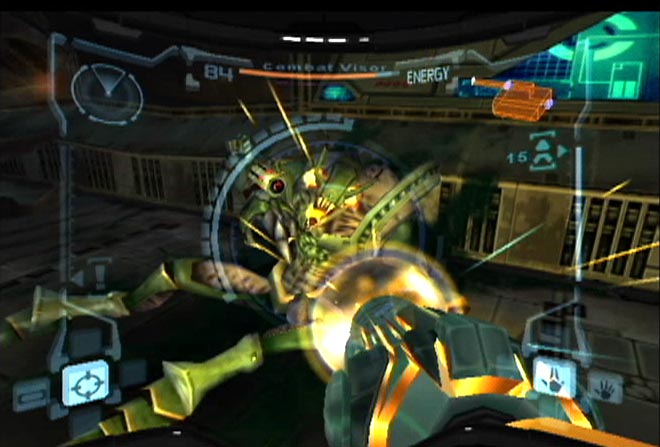
The boss encounters are thrilling and memorable, from the fiery menace of Thardus to the nerve-racking showdown with Meta Ridley. Each battle demands strategy and mastery of your abilities, not just reflexes. The game also balances challenge fairly — exploration can be demanding, but it never feels unfair thanks to smart checkpointing and clear environmental cues.
Verdict
Metroid Prime isn’t just one of the best games on the GameCube — it’s one of the greatest games ever made. It successfully reinvented a beloved 2D franchise for 3D while keeping its spirit intact. The atmosphere, exploration, and meticulous world-building make it a timeless experience. Few games have managed to capture the feeling of isolation, discovery, and reward like Metroid Prime does.
Even today, whether you’re playing the original GameCube version or the Remastered release on Switch, it remains a benchmark for immersive game design.
Final Score: 10/10
Pros:
- Unparalleled atmosphere and immersion
- Perfect balance of exploration and combat
- Stunning visuals and sound design
- Deep lore told through environmental storytelling
Cons:
- Occasional backtracking may frustrate newcomers
Verdict:
A masterpiece that defined how to bring 2D exploration into 3D. Tallon IV remains one of the most hauntingly beautiful worlds in video game history.
 Jimmy's Deals