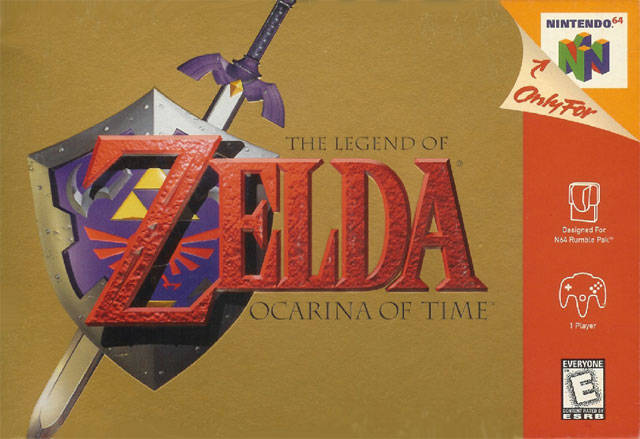
Few games carry the weight of history like The Legend of Zelda: Ocarina of Time. Released in 1998 for the Nintendo 64, this title didn’t just set the bar for action-adventure games—it built the bar. Over two decades later, it remains a monumental example of how gameplay, storytelling, and world design can come together in perfect harmony.

Story and Atmosphere
You step into the boots of Link, a young hero destined to battle the dark king Ganondorf and save Hyrule. What begins as a simple adventure through the tranquil Kokiri Forest soon grows into a sprawling epic that spans time itself.
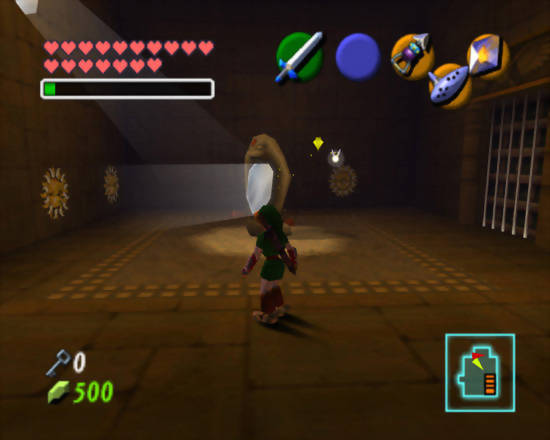
The moment Link pulls the Master Sword and awakens seven years in the future remains one of the most iconic narrative twists in gaming. Hyrule evolves with you—from a bright, vibrant land to a darker, corrupted world. The tonal shift keeps the player engaged and emotionally invested, even decades later.
Gameplay
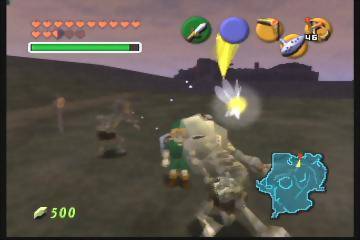
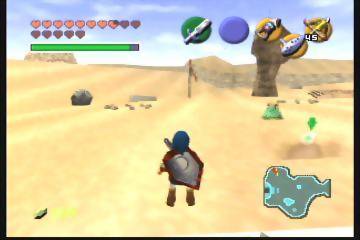
This is where Ocarina of Time shines brightest. For its era, the Z-targeting system was revolutionary, allowing players to lock onto enemies and engage in fluid combat that felt both intuitive and cinematic. Exploration is equally rewarding; Hyrule Field, though small by modern standards, gave a genuine sense of freedom back in 1998.
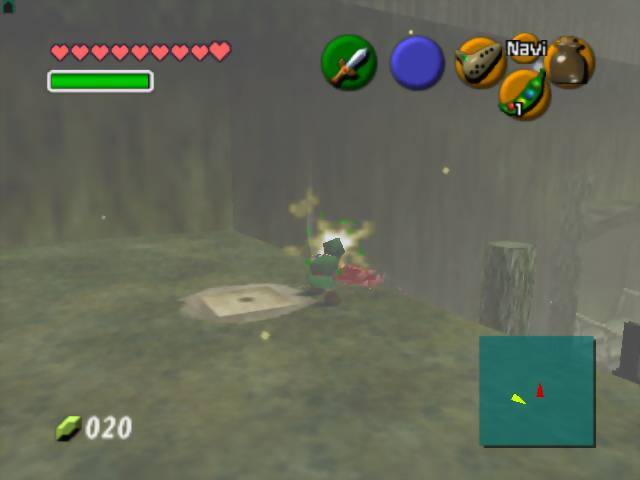
Dungeons like the Forest Temple and the infamous Water Temple offer clever puzzles that still challenge players today. Mastering the use of items—from the Hookshot to the Ocarina itself—feels satisfying, with each new tool expanding the scope of what’s possible.
Graphics and Sound
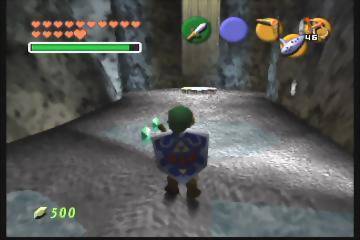
By today’s standards, the N64’s blocky textures may appear dated, but there’s an undeniable charm in its art direction. Character designs are expressive, environments are distinct, and key locations like the Temple of Time still exude a mystical aura.

And then there’s the soundtrack—Koji Kondo’s score is nothing short of legendary. From the serene “Zelda’s Lullaby” to the haunting “Song of Storms,” every track is burned into gaming history. The music doesn’t just accompany the game; it defines it.

Legacy and Replay Value
Ocarina of Time didn’t just influence the Zelda franchise—it reshaped the gaming industry. Its combination of exploration, puzzle-solving, and narrative pacing became the blueprint for countless titles that followed.

Even today, whether through original hardware, Virtual Console, or 3DS remake, revisiting Ocarina feels less like playing an old game and more like experiencing a piece of gaming history.
Final Verdict
Despite being over two decades old, The Legend of Zelda: Ocarina of Time remains an essential experience. Its mix of timeless gameplay, memorable story, and iconic soundtrack make it not only one of the greatest Nintendo 64 games but arguably one of the greatest games ever created.
⭐ Score: 10/10
If you’ve never played it, you owe it to yourself to see where modern adventure gaming truly began.
 Jimmy's Deals