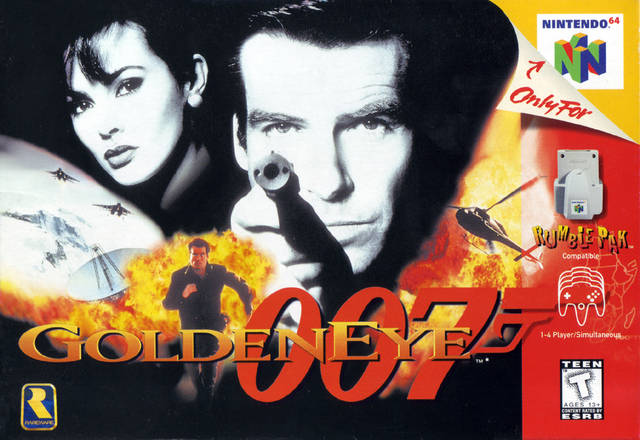
Few games have left as lasting an impact on the first-person shooter genre as GoldenEye 007. Released in 1997 for the Nintendo 64, Rare’s adaptation of the James Bond film not only redefined what a movie tie-in game could be but also set a new standard for console shooters. Nearly three decades later, it’s still fondly remembered for its groundbreaking design, addictive multiplayer, and sheer style.
Gameplay
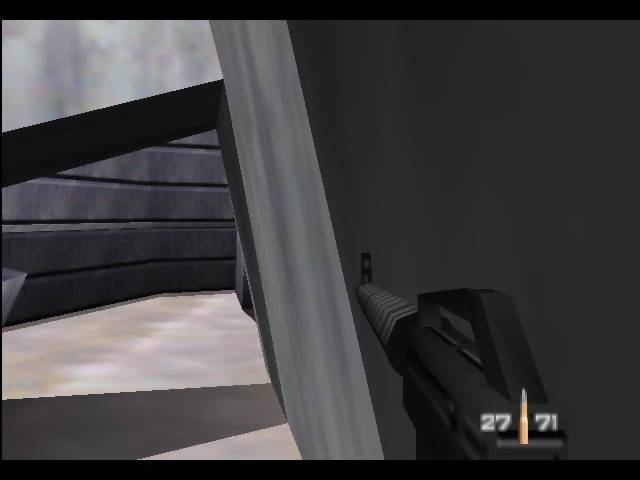
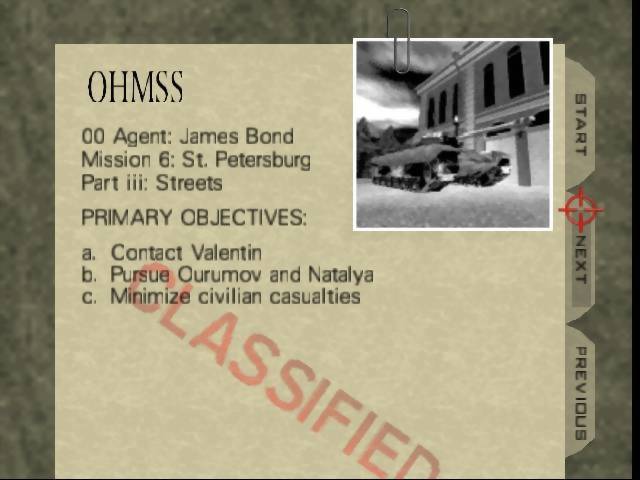
At its core, GoldenEye 007 delivers a single-player campaign that follows the plot of the movie loosely but with creative liberties. Missions range from stealthy infiltrations to all-out firefights, often giving players objectives beyond “kill everything.” Tasks like planting a modem, photographing blueprints, or protecting an ally added layers of challenge and replay value.

Unlike many shooters of its era, the game encouraged multiple approaches. You could sneak through levels with silenced pistols or blast your way forward with heavy weapons. The AI, while primitive by today’s standards, was surprisingly advanced for the time. Enemies reacted to sound, alarms, and player actions in a way that made every mission feel dynamic.
Controls & Mechanics
The Nintendo 64 controller wasn’t built with FPS games in mind, yet GoldenEye made it work. The single analog stick handled aiming and movement simultaneously, which feels clunky today but was revolutionary at release. The auto-aim feature helped balance the limited precision, and the option to toggle control schemes was forward-thinking.
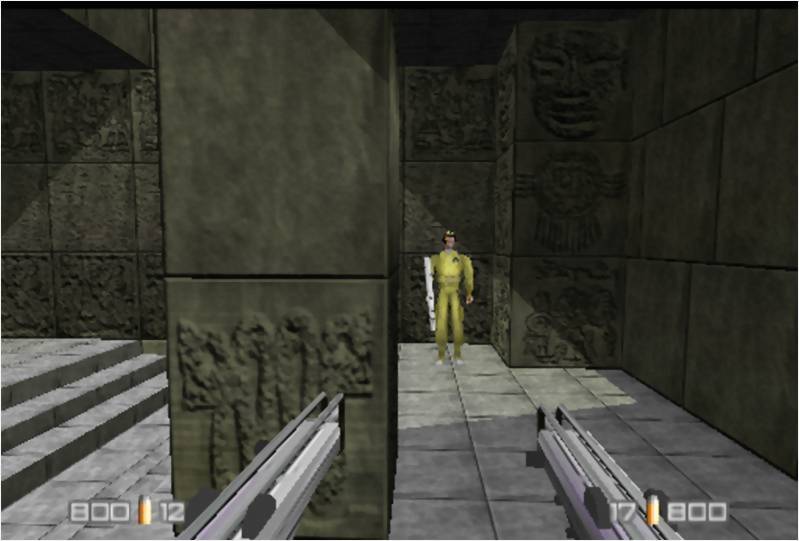
Health and armor management gave the game a tense, methodical pace compared to the regenerating health systems modern players are used to. Weapons were diverse and fun to use, ranging from the iconic silenced PP7 to rocket launchers, proximity mines, and even Bond’s trusty watch laser.
Graphics & Sound
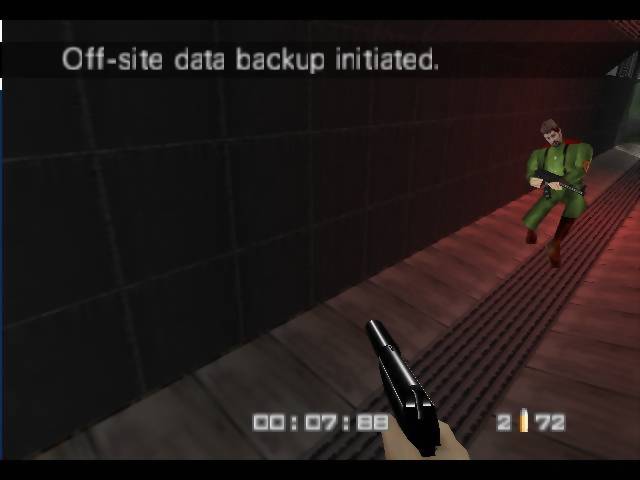
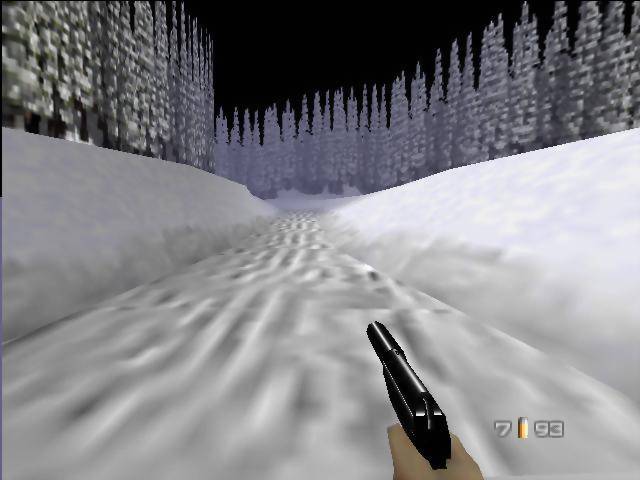
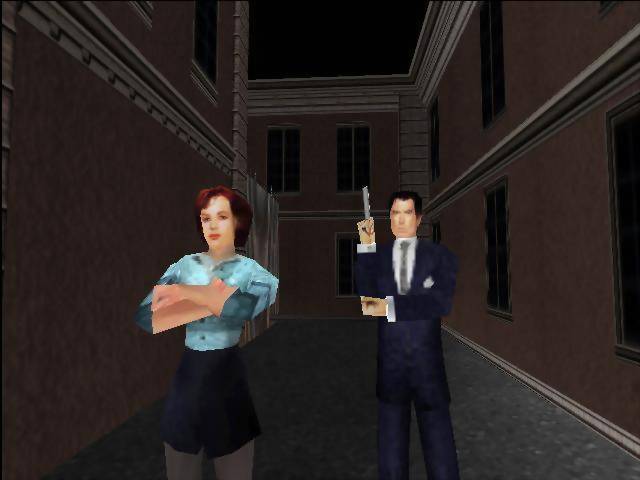
By 1997 standards, GoldenEye was a visual powerhouse on the N64. Environments were detailed, faces were digitized, and locations felt varied—from the snowy Surface to the claustrophobic Facility. Admittedly, the frame rate struggles when things get hectic, and the polygonal models look rough today, but the design choices and atmosphere still hold charm.
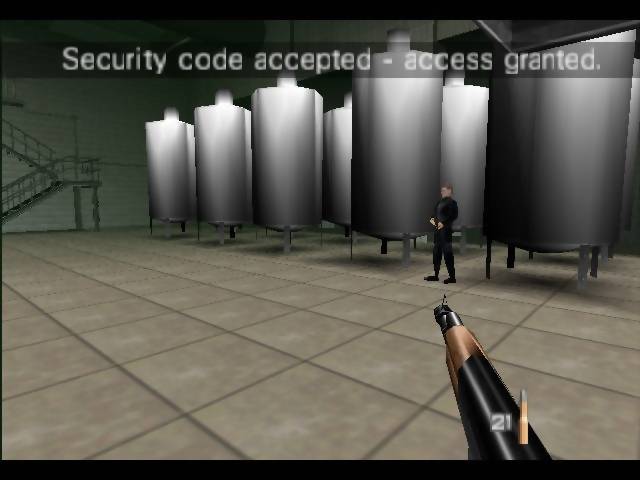
The music, composed by Grant Kirkhope, Graeme Norgate, and Robin Beanland, nailed the Bond aesthetic. It mixed iconic James Bond themes with tense, mission-appropriate tracks that heightened immersion. The sound effects—gunfire, explosions, alarms—still carry nostalgic weight.

Multiplayer
This is where GoldenEye truly became legendary. The split-screen, four-player deathmatch turned living rooms into battlefields. Players could choose from a wide cast of Bond characters (yes, even Oddjob—infamous for being unfairly short), a selection of weapons, and custom game modes.
Slappers-only fights, Golden Gun duels, and proximity mine traps became staples of late ’90s gaming nights. The balance wasn’t perfect, but the fun factor was unmatched. For many, GoldenEye was their first real taste of competitive multiplayer outside of arcade cabinets.
Legacy
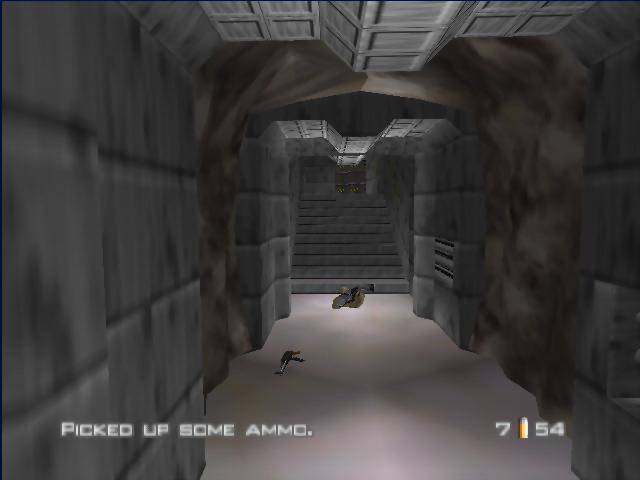
GoldenEye 007 not only proved that FPS games could thrive on consoles but also influenced countless titles that followed. Without it, there’s a good chance Halo and other console shooters wouldn’t have found the same success. Even with its dated visuals and awkward controls today, the game is a time capsule of pure innovation.
Final Verdict
GoldenEye 007 for the Nintendo 64 is more than just a great game—it’s a cornerstone of gaming history. While modern players may struggle with the dated controls and graphics, its campaign, atmosphere, and especially its multiplayer remain iconic. This isn’t just nostalgia talking: GoldenEye changed the industry, and its influence is still felt in shooters today.
Score: 9/10 – A timeless classic that defined a genre.
 Jimmy's Deals